

Last Updated on January 28, 2026
During winter, many homeowners discover a crack in their window glass without warning. There is no storm damage, no visible impact, and no clear explanation. One day the window looks normal. The next day, a crack has formed and slowly begins to spread.
In colder climates like Chicagoland, this is not unusual. Cold weather places intense stress on windows, especially when homes experience rapid temperature changes. Understanding why this happens can help homeowners respond correctly, avoid unnecessary replacements, and protect both comfort and energy efficiency.
How Cold Weather Physically Affects Window Glass
Window glass may appear solid and immovable, but it is constantly reacting to temperature changes. During winter, multiple forces act on the glass at the same time, increasing the likelihood of damage.
Glass contracts as temperatures drop and expands when temperatures rise. In winter, this movement often occurs unevenly across a single pane. The exterior surface is exposed to freezing air and wind, while the interior surface is warmed by the home’s heating system. This imbalance creates internal tension within the glass.
Over time, or during sudden temperature drops, that tension can exceed the glass’s tolerance. When it does, cracking occurs. This process is known as thermal stress and is one of the most common causes of cold-weather window damage.
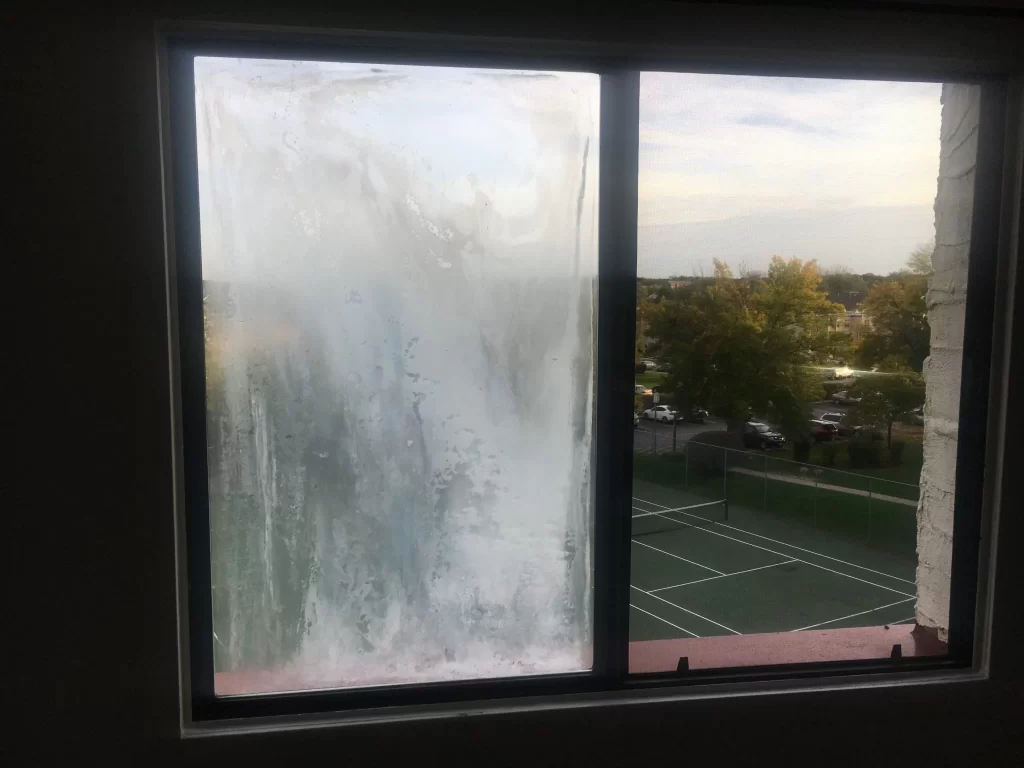
According to the U.S. Department of Energy, windows are responsible for up to 30 percent of residential heating and cooling energy loss, which highlights the level of temperature imbalance windows endure during winter. That same imbalance plays a major role in cold-weather glass cracking and can also contribute to moisture issues such as foggy windows during winter when window seals begin to fail.
Why Cold Weather Causes Windows to Crack
Window glass may look solid and sturdy, but it is constantly responding to temperature changes. During winter, several factors work together to place stress on your windows, sometimes leading to cracking that seems to appear without warning.
1. Thermal Stress from Temperature Changes
Glass expands when it is warm and contracts when it is cold. In winter, this contraction does not always happen evenly.
For example, the outside of the window is exposed to freezing air while the inside is warmed by your home’s heating system. This temperature difference creates internal stress within the glass.
Over time, or during sudden cold snaps, that stress can exceed what the glass can tolerate. When this happens, a crack can form, especially in older windows or glass that already has minor weaknesses. This is why many homeowners notice cracks after a rapid temperature drop rather than during steady cold weather.
2. Existing Chips and Weak Spots
Small chips, edge damage, or hairline cracks that may go unnoticed during warmer months often worsen in winter.
As temperatures drop, glass contracts and places additional pressure on these weak points. What once appeared to be harmless surface damage can quickly expand into a visible crack. In many cases, early evaluation determines how cracked window glass can be repaired before full replacement becomes necessary.
3. Improper Window Installation
Windows must be installed with enough room to allow for natural expansion and contraction. When a window is installed too tightly or the frame is not properly aligned, the glass cannot move as temperatures change.
Instead of the frame absorbing that movement, the pressure transfers directly to the glass. During extreme cold, this added stress increases the risk of cracking, particularly along the edges where the glass is most vulnerable.
Installation issues are a common cause of winter window damage, especially in older homes or poorly executed replacements.
4. Aging or Low Quality Glass
Older single pane windows and lower quality glass are more susceptible to cold weather damage.
These windows lack the insulation and structural strength found in modern double or triple pane systems. As a result, they experience greater temperature differences across the glass surface and have less ability to handle thermal stress.
Over time, repeated exposure to winter conditions weakens the glass, making cracking more likely.
Common Types of Cold-Weather Window Cracks
Window cracks can form in different ways, and the pattern of the damage often provides insight into what caused it and how it should be addressed.
- Stress-related cracks tend to begin near the edge of the glass and gradually extend across the pane. These cracks are typically the result of temperature changes and internal pressure rather than a direct impact.
- Cracks caused by frame pressure often appear where the glass meets the window frame. Installation issues or natural movement of the frame can place stress on the glass, which becomes more noticeable during freezing temperatures.
- Impact-related cracks usually start as small chips or surface damage caused by debris. Cold weather can cause minor damage to expand, turning it into a visible crack as the glass contracts.
In some cases, early intervention can prevent further spreading and allow for repair. In other situations, replacing the glass is necessary to restore safety, insulation, and proper window performance.
How to Reduce the Risk of Window Cracking During Winter
Cold weather cannot be controlled, but the way your home responds to it can be. A few practical steps can significantly reduce the stress placed on your windows during winter and lower the chance of cracking.
Keep Indoor Temperatures Steady
Large swings in indoor temperature place unnecessary stress on window glass. Rapidly increasing the heat during a cold snap can cause the interior surface of the glass to warm too quickly while the exterior remains frozen. Maintaining a consistent indoor temperature helps limit expansion and contraction and reduces pressure on the glass.
Take Care of Minor Glass Damage Early
Small chips or hairline cracks often seem harmless, especially during warmer months. In winter, these weak points are more likely to spread as the glass contracts. Having minor damage inspected and addressed before temperatures drop can prevent larger cracks from forming later in the season.
Improve Sealing and Insulation Around Windows
Well-sealed windows experience less temperature imbalance across the glass surface. Proper insulation around the frame helps regulate heat transfer, reduces thermal stress, and improves overall energy efficiency. This step protects both the glass and the surrounding window structure.
Consider Upgrading Aging Windows
Older windows, especially single pane systems, struggle to handle winter temperature changes. Modern insulated glass is designed to manage thermal movement more effectively. Replacing outdated windows can reduce cracking risk while improving comfort and lowering heating costs.
What to Do If a Window Cracks During Cold Weather
If a window cracks in winter, do not wait. Cold temperatures and ongoing indoor heating can cause the crack to spread quickly.
Cracked glass reduces insulation, allowing heat to escape and cold air to enter. This can increase energy bills and make rooms uncomfortable. A crack can also weaken window security and allow moisture to reach the frame or surrounding materials, which may lead to further damage.
The right next step is a professional inspection. A glass specialist can determine whether the crack can be repaired or if replacement is needed to restore proper insulation and safety. Temporary fixes or ignoring the damage often make the problem worse.
Window Repair and Glass Replacement Services in Carpentersville, IL
When winter-related window damage occurs, proper evaluation is critical. The cause, location, and severity of the damage determine whether window repair is possible or if glass replacement is the safer long-term solution.
ARAX Windows Work provides professional window repair and glass replacement services in Carpentersville, IL for both residential and commercial properties. Their team services single-pane, double-pane, and triple-pane windows, as well as custom-shaped glass, skylights, and storefront window systems.
Each service call begins with an on-site assessment. A window specialist evaluates the damaged window and explains whether repair is appropriate or if full glass replacement is recommended. When window repair is an option, the work is completed efficiently while maintaining the window’s original appearance, insulation, and functionality.
Homeowners and businesses in Carpentersville, IL trust ARAX Windows Work for reliable window repair and glass replacement services that protect against winter damage and restore long-term performance.
FAQs About Cracked Windows in Cold Weather
How do you fix a thermal stress crack in a window?
Thermal stress cracks usually cannot be permanently repaired because the internal tension that caused the crack remains present. In limited cases where the crack is very small and not at the edge, a professional may stabilize it temporarily to slow spreading. However, most thermal stress cracks require glass replacement to fully restore insulation, safety, and structural integrity. Attempting DIY fixes often leads to further cracking, especially in cold weather.
What does a stress crack in window glass look like?
A stress crack typically:
- Starts near the edge of the glass rather than the center
- Appears as a thin, straight or slightly curved line
- Lacks a visible impact point or chip
- Gradually extends across the pane over time
Unlike impact cracks, stress cracks do not radiate outward from a central spot and often become more noticeable after temperature changes.
At what temperature does window glass start to crack?
Glass does not crack at a single fixed temperature. Cracking occurs when there is a rapid temperature difference of approximately 30 to 50 degrees Fahrenheit across the glass surface. For example, when outdoor temperatures drop below freezing while the interior surface is exposed to heated indoor air, thermal stress can exceed the glass’s tolerance, especially in older or poorly insulated windows.
Is it okay to wait until spring to fix a cracked window?
No. Waiting often leads to larger cracks, heat loss, and moisture intrusion. Cold air entering through the crack can cause condensation inside the frame, which increases the risk of seal failure and frame damage before spring arrives.
How much heat can a cracked window actually lose?
Even a small crack can reduce a window’s insulating value enough to raise heating costs by 5 to 15 percent in the affected room. Cracks disrupt the air seal, allowing warm air to escape and cold air to enter continuously.
Can cracked glass damage the window frame?
Yes. Cracks allow cold air and moisture to reach the frame. Over time, this can lead to wood rot, warped vinyl, or weakened seals, especially during freeze-thaw cycles.